

The evolution of gambling From ancient rituals to modern casinos
Origins of Gambling in Ancient Civilizations
The history of gambling can be traced back to ancient civilizations, where it played a significant role in cultural and religious practices. In societies such as those in Mesopotamia, China, and Rome, games of chance were often intertwined with rituals and served as a means of divination. Ancient dice made from animal bones were used in games that foreshadowed future events, demonstrating the early human fascination with luck and fate. Today, many players enjoy visiting an online casino that offers a variety of games inspired by these ancient traditions.

As civilizations progressed, gambling evolved beyond simple rituals. The Chinese created the first known lottery, which was utilized for funding government projects, while the Romans introduced betting on gladiatorial games. These early forms of gambling laid the groundwork for the diverse practices that would develop over centuries.
The Middle Ages and the Rise of Gambling Houses
During the Middle Ages, gambling experienced both growth and decline. The church condemned many forms of gambling, associating them with sin and immorality. However, underground gambling houses began to appear, providing venues where people could indulge in games of chance. These illicit establishments were often the backdrop for social gatherings and were frequented by nobles and commoners alike.
The introduction of playing cards in the 14th century marked a significant turning point in gambling history. Card games quickly became popular across Europe, leading to the establishment of formal gambling houses. By the 17th century, licensed gambling establishments began to emerge, paving the way for the modern casino concept.
The Birth of Modern Casinos
The 18th century heralded the birth of the modern casino, particularly in Europe. The first official casino, the Casino di Venezia, opened its doors in Italy, offering a variety of games under one roof. This concept of a dedicated space for gambling attracted the upper classes and became a symbol of luxury and sophistication.
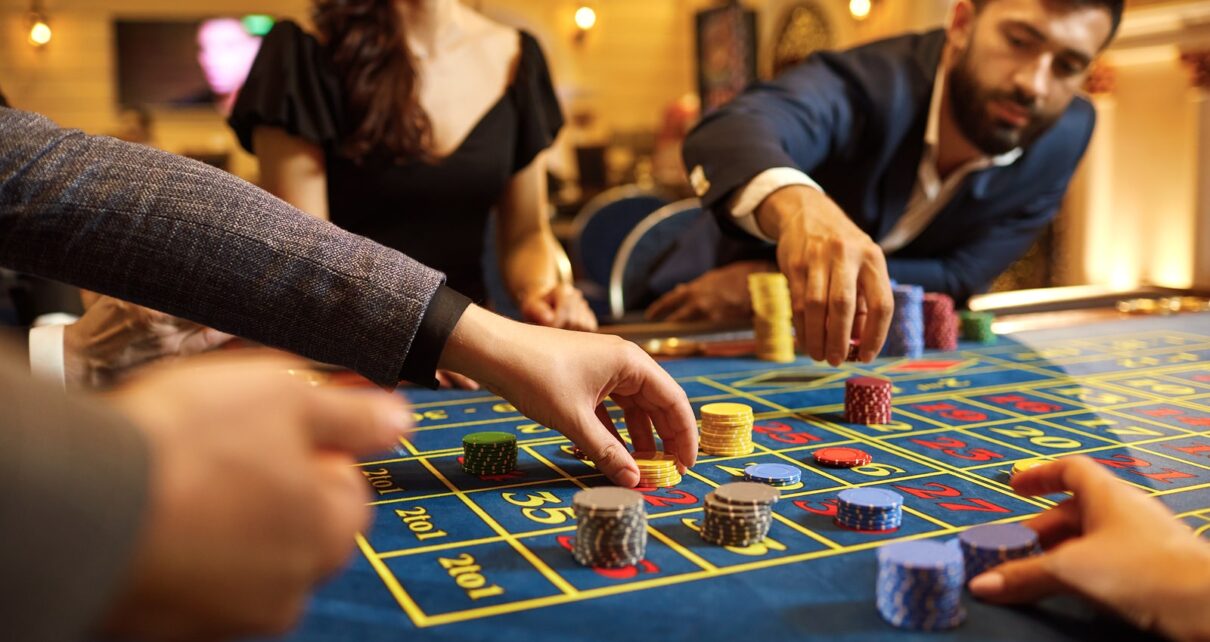
As casinos spread throughout Europe, particularly in France and later in Monaco, innovations in gaming and hospitality emerged. The allure of games like roulette and baccarat became synonymous with the casino experience, drawing in visitors from around the globe and establishing the foundation for gambling as a mainstream entertainment industry.
Technological Advancements and Online Gambling
The advent of technology in the 20th century revolutionized gambling once again. The introduction of slot machines and video gaming transformed the landscape of casinos, offering players new experiences that combined chance with excitement. As technology advanced, so did the methods of gambling, leading to the development of online casinos in the late 1990s.
Online gambling opened up a new world for players, allowing them to engage with their favorite games from the comfort of their homes. With the rise of smartphones, mobile casinos have become increasingly popular, giving players instant access to a plethora of games at their fingertips. This shift has resulted in an unprecedented boom in the gambling industry, making it more accessible than ever.
Responsible Gambling and the Modern Landscape
Today, the gambling industry is more regulated and responsible than in the past. Governments have instituted laws to protect players and ensure fair play. Online platforms now prioritize responsible gambling by offering tools for self-exclusion and limits on betting. This focus on player safety reflects an understanding of the importance of promoting a balanced approach to gambling.
As we look towards the future, the evolution of gambling continues to unfold. With advancements in technology, virtual reality, and blockchain, the industry is poised for further transformation. Understanding this journey from ancient rituals to modern casinos highlights the complex relationship society has with gambling, showcasing its potential for both entertainment and responsibility.